A good Secret Santa reveal adds one simple layer of curiosity without making the gift hard to reach. Choose a format that fits the group size, explain it in a sentence and keep each reveal to a few minutes. The ideas below work for families, friends and offices.
What makes a reveal game succeed?
It needs clear rules, a fair pace and clues that do not embarrass anyone. Avoid alcohol-dependent challenges, physical tasks or personal facts people did not volunteer. For work exchanges, keep gifts and jokes appropriate for the workplace.
Eight reveal ideas from simple to elaborate
Three clues and a guess
Attach three clues about the giver, moving from broad to specific. The recipient gets one guess after each clue, then opens the gift.
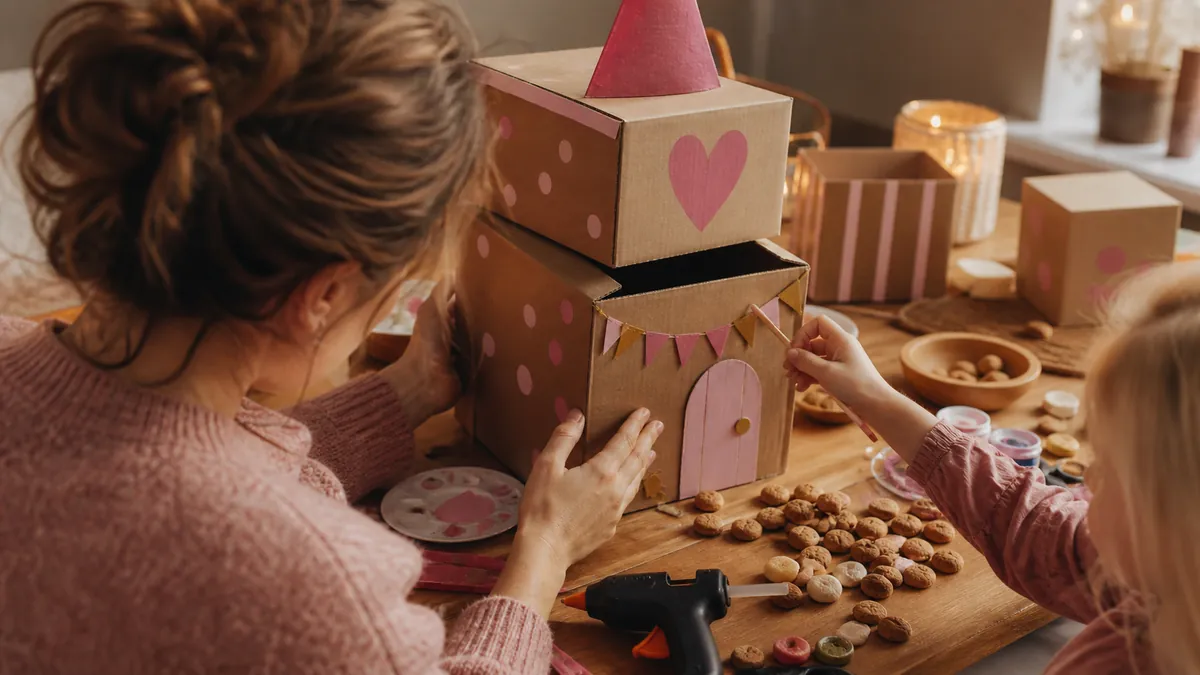
Nesting boxes
Use a few reused boxes with one clue per layer. Stop before the packaging becomes wasteful or frustrating.
A mini scavenger hunt
Write three accessible clues around one room or home. Keep stairs, locked spaces and mobility needs out of the route.
Match the card
Give every participant half of an image, phrase or lyric line. The matching half reveals the giver-recipient pair.
The hobby disguise
Wrap the gift to resemble a harmless interest: a giant book, game controller or coffee cup made from cardboard.
Guess from the playlist
Each giver submits one clean, licensed-to-play track that hints at their identity. The host plays a short portion before the reveal.
A one-minute slideshow
Use three public-safe images or icons connected to the giver. Keep private photos out unless permission was given.
Replace the clue poem with a song
Write the recipient’s recognizable habits into a short original song and reveal the giver in the final line. It can become the shared group gift when budgets are small.
Make the final clue sing
Create and edit personal lyrics, then compare two free previews for your holiday reveal.
Create a Secret Santa songHow long should the exchange take?
For a large office, reveal pairs in quick rounds or open gifts simultaneously after clues. A small family can give each person more time. Set expectations before the event, especially if participants need to prepare anything.
What if someone wants a simple exchange?
Let them have one. A gift exchange should not force performance. Offer a plain card option and make the creative formats voluntary. The purpose is generosity and group warmth, not testing who can build the cleverest puzzle.